


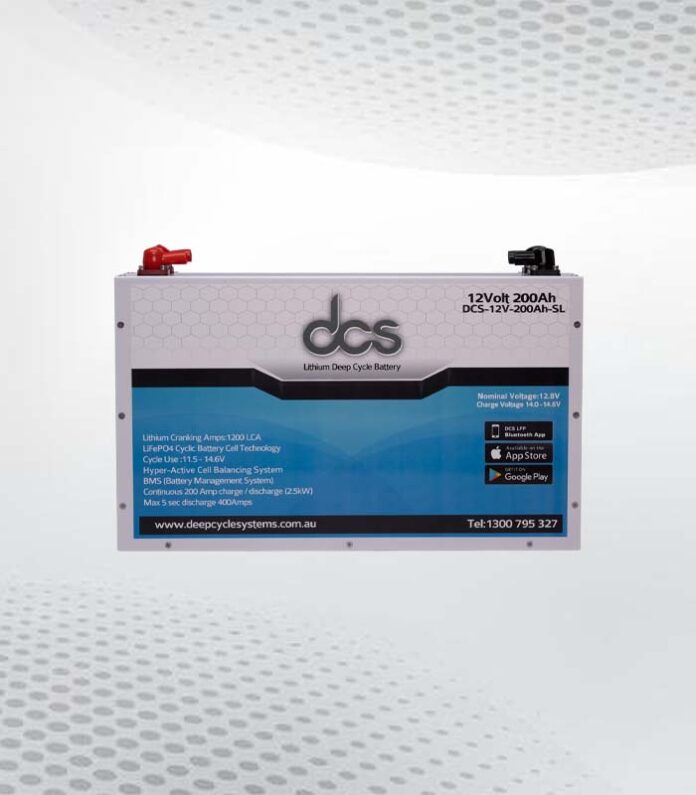

As technology continues to advance, the demand for more efficient and longer-lasting energy storage solutions has grown. One of the most popular options on the market today is the 200 Amp Hour Deep Cycle Battery. This type of battery has a capacity of 200 amp hours, meaning it can provide 200 amps of current for one hour before needing to be recharged. This makes it a versatile choice for a variety of applications, from powering small electronic devices to being used in solar energy systems.
The Basic Understanding of Amp Hour
Firstly, let’s demystify the concept of Amp Hour (Ah). Essentially, Amp Hour is a unit utilised to gauge the charge a battery can dispense. It’s a measure of the quantity of energy a battery can accumulate and the duration it can sustain before requiring a recharge. Hence, a battery boasting a higher Amp Hour rating can store a greater amount of energy, delivering power for a more extended period.
The magnitude of this rating is critical in determining the aptness of a battery for specific applications. Thus, understanding the Amp Hour rating of a battery is integral in maximising its potential and ensuring its optimal use.
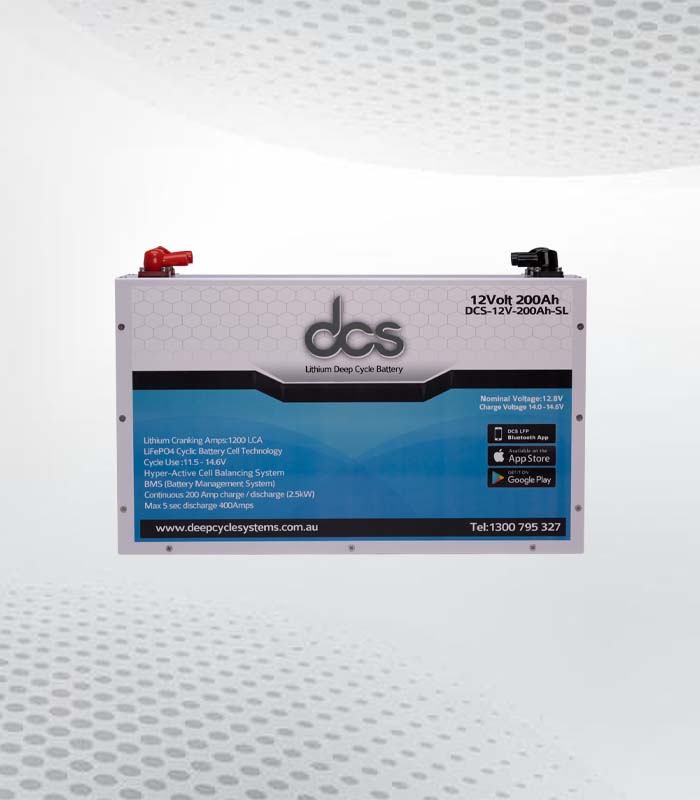 Why Choose Lithium Ion over Other Batteries?
What gives Lithium Ion batteries an edge over lead-acid or nickel-cadmium? Lithium Ion batteries score highly on several key features. They have a high energy density, meaning they can hold more energy per unit of weight or volume.
Their lightweight structure makes them convenient to use and transport. Additionally, Lithium Ion batteries suffer from minimal memory effect – a phenomenon where repeated partial charging and discharging can make the battery ‘forget’ its full capacity.
They also have a low self-discharge rate, meaning they can retain their charge for long periods. Lastly, Lithium Ion batteries are a greener alternative, causing less environmental harm. Therefore, when considering performance, longevity and environmental impact, Lithium Ion batteries are a superior choice.
The Magic behind the 200 Amp Hour Lithium Ion Battery
Unveiling the unique capabilities of the 200 Amp Hour Lithium Ion Battery, one realises it is a genuine stalwart in the world of energy storage. Designed for the long haul, it shines particularly when powering high-consumption devices over an extended duration. This robust battery provides substantial power to small dwellings, recreational vehicles, or boats.
Moreover, it excels in driving heavy-duty machinery and tools that demand consistent and reliable power. Leveraging the high energy density and lower memory effect of Lithium Ion technology, this 200 Ah battery serves as a reliable energy source, ensuring prolonged usage without frequent recharges. Its suitability for a variety of applications underscores its exceptional adaptability and resilience.
Charging Your 200 Amp Hour Li Ion Battery
In Lithium Ion batteries, charging isn’t a complex operation. You’ll find an integral Battery Management System (BMS) with most of these batteries. This component is a guardian to the battery, safeguarding it from potential damage caused by excessive charging, intense discharging and elevated temperatures.
A salient point to remember is the necessity of utilising a top-notch charger. This is a crucial factor in enhancing the lifespan of your battery and preserving its health. By using a quality charger, you assure the correct and optimal charging of your 200 Ah Lithium Ion Battery, enabling it to consistently deliver peak performance.
The Lifespan of Your 200 Amp Hour Li Ion Battery
One of the key aspects of a 200 Ah Lithium Ion Battery is its impressive lifespan. Unlike traditional batteries, the longevity of a Lithium Ion battery is usually quantified in terms of charge cycles.
A single cycle refers to a complete charging and discharging of the battery. The average life expectancy of most 200 Ah Lithium Ion Batteries is estimated to be between 2000 to 5000 cycles. This equates to an impressive 5 to 13 years of usage, under normal operating conditions.
This extended lifespan ensures a sustained and reliable power source for your devices, reducing the need for frequent battery replacements. However, it’s important to note that the lifespan can be influenced by factors such as the quality of the charger used and exposure to extreme temperatures. Hence, proper care and maintenance can help optimise the battery’s lifespan.
The Environmental Impact of Lithium Ion Batteries
Regarding the environmental footprint, Lithium Ion batteries demonstrate a superior profile compared to lead-acid equivalents. They are free from harmful heavy metals often associated with environmental damage.
Furthermore, due to their prolonged lifespan, they necessitate fewer replacements, resulting in lesser waste generation. Nevertheless, the disposal process of these batteries should be carried out with diligence to circumvent any potential environmental repercussions.
It’s paramount to follow local guidelines or recycling schemes to ensure the batteries are discarded in an ecologically responsible manner. As the demand for energy storage solutions increases, it’s comforting to know that choosing Lithium Ion technology provides high performance and contributes to a more sustainable future.
Maintaining Your 200 Amp Hour Li Ion Battery
Despite the low maintenance nature of Lithium Ion batteries, you can still take certain measures to optimise their performance and longevity. Ensure they are kept in a clean and dry environment, this not only protects them from damage but also keeps them in optimal working condition.
Similarly, appropriate storage is crucial; always store them in a cool, dry place away from direct sunlight and high temperatures. Accidental drops or impacts can also adversely affect the health of your battery, so handle them with care.
Regular inspections for tight and clean connections are recommended as they can contribute to extending the battery’s life. Remember, small precautions can add up to yield big benefits when maintaining your 200 Amp Hour Li Ion Battery.
Using Your 200 AH Lithium Battery in Extreme Temperatures
Though Lithium Ion batteries are known for their versatile performance across a wide spectrum of temperatures, care should be taken to shield them from extreme weather conditions. Extremes of heat or cold can negatively affect the battery’s overall health, diminishing its performance and reducing its longevity.
In sweltering conditions, storing the battery in a cool and shaded location is essential to avoid overheating, which can lead to capacity loss and damage to the battery in severe cases. In contrast, freezing conditions can result in diminished capacity and slower charging times. Hence, ensure the battery is stored in a moderately warm space during cold weather.
Regularly monitoring the battery’s temperature and taking appropriate measures to maintain it within the optimal range can significantly extend its lifespan and preserve its efficiency.
Maximising Battery Performance with Lithium Ion Technology
To fully exploit the capabilities of your 200 Ah Lithium Ion Battery, you might want to consider incorporating a solar charger or a smart charger into your setup. These specialised chargers offer a significant advantage by fine-tuning the charging cycles, thus helping prevent overcharging, a common cause of reduced battery lifespan.
Solar chargers, particularly, are beneficial for off-grid systems, providing a sustainable charging source and reducing reliance on the grid. In contrast, smart chargers adjust the charging rate based on the battery’s state, promoting optimal charging and preventing damage. The battery’s performance can be significantly optimised through such adaptations, ensuring that you gain the maximum benefit from your Lithium Ion technology.
Boosting Your Battery Life: Tips and Tricks
Finally, to ensure the longevity of your Lithium Ion Battery, remember these key tips:
- Prevent the battery from completely draining, this can cause strain and adversely affect its lifespan.
- Mitigate exposure to high temperatures as this can result in capacity loss.
- Charge the battery on a regular basis, this helps keep the battery in optimal condition.
Taking these simple measures can dramatically enhance both the performance and longevity of your battery.
Why lithium ion batteries are better for the environment compared to other types
Lithium Ion batteries stand head and shoulders above their counterparts when considering their environmental footprint. Firstly, they do not contain heavy metals such as lead or mercury, which are often found in other types of batteries and can cause severe environmental damage.
Additionally, they have a significantly longer lifespan, reducing the frequency of replacements, and consequently, the amount of waste produced. One significant environmental advantage of Lithium Ion batteries is their high energy efficiency. This not only translates into longer-lasting power for devices but also means less energy is wasted in the charging process. This superior energy efficiency leads to reduced energy consumption, making them a greener choice overall.
Moreover, Lithium Ion batteries are compatible with renewable energy systems. They can be efficiently charged using solar power, therefore reducing reliance on fossil fuels and contributing to a decrease in greenhouse gas emissions. By pairing a Lithium Ion battery with a solar charger, you can create a sustainable energy system that significantly lessens your carbon footprint.
Nevertheless, while Lithium Ion batteries have distinct environmental advantages, it’s crucial to ensure their end-of-life disposal is handled responsibly to minimise any potential negative impacts. The materials within these batteries can be hazardous if not properly managed, emphasising the importance of recycling schemes and guidelines to ensure their safe and environmentally friendly disposal.
By making an informed choice to switch to Lithium Ion batteries, we are not only opting for high performance and efficiency, but we are also contributing towards a more sustainable future.
How to safely dispose of a depleted 200 AH lithium ion battery
Handling the disposal of a depleted 200 Ah Lithium Ion Battery requires diligence to prevent environmental harm. It’s not advisable to just toss these batteries in your everyday rubbish bin. Instead, one should adhere to local recycling or disposal guidelines. This often involves taking the used batteries to a designated recycling centre, where the battery components can be safely extracted and repurposed.
Remember that it’s important to handle the battery carefully during transportation to the recycling centre. Avoid puncturing or damaging the casing, as this can lead to leakage of battery materials which could be hazardous. If you’re unsure about the appropriate steps, get in touch with the battery manufacturer or your local waste management authority for guidance.
Additionally, a number of retailers and organisations run take-back schemes for used Lithium Ion batteries. This service provides an easy and convenient way to responsibly dispose of your depleted batteries. If such a scheme is available in your area, it’s definitely worth considering.
FAQs
1. How long does a 200 Ah Lithium Ion Battery last?
– Depending on usage and conditions, a typical 200 Ah Lithium Ion Battery can last between 5 to 13 years.
2. How should I dispose of my used Lithium Ion Battery?
– These batteries should be discarded responsibly following local recycling guidelines or schemes to reduce potential environmental impact.
3. What happens if a Lithium Ion Battery is exposed to extreme temperatures?
– Exposure to extreme heat or cold can negatively impact the battery’s performance, reduce its lifespan and in severe cases, cause damage.
- What are the benefits of using a solar charger or smart charger with a 200 Ah Lithium Ion Battery?
– Both types of chargers prevent overcharging, a common cause of reduced battery lifespan. Solar chargers offer a sustainable charging source, while smart chargers adjust charging rate based on the battery’s state.
5. How often should I charge my 200 Ah Lithium Ion Battery?
– While these batteries have a low self-discharge rate, regular charging helps maintain optimal battery condition.
Conclusion
In a world where efficiency and sustainability are paramount, the 200 Ah Lithium Ion Battery emerges as an impressive solution. It brings together high energy density, durability, and longevity, making it a versatile choice for numerous applications. From powering small electronic devices to driving heavy-duty machinery, this battery exhibits remarkable adaptability and resilience. The battery’s eco-friendly profile further underscores its superiority, minimising environmental harm. A diligent maintenance routine and awareness of optimal usage conditions can notably enhance its performance and lifespan. Investing in quality chargers and responsible disposal practices can also contribute to making the most of your battery.
| Other Good Articles to Read |
| Blogs Rain |
| Cme Blog Spot |
| Garcias Blogs |
| Yyc Blogs |
| Guiade Blogs |
| Blogs-Hunt |
| Impact-Blog |
| Smarty Blogs |
| Ed Blog |
| Mo Blogs |
| Blogs Em |
| Blogs T |
| Related Business Listings |
| Directory Submissions |
| Regional Directory |