


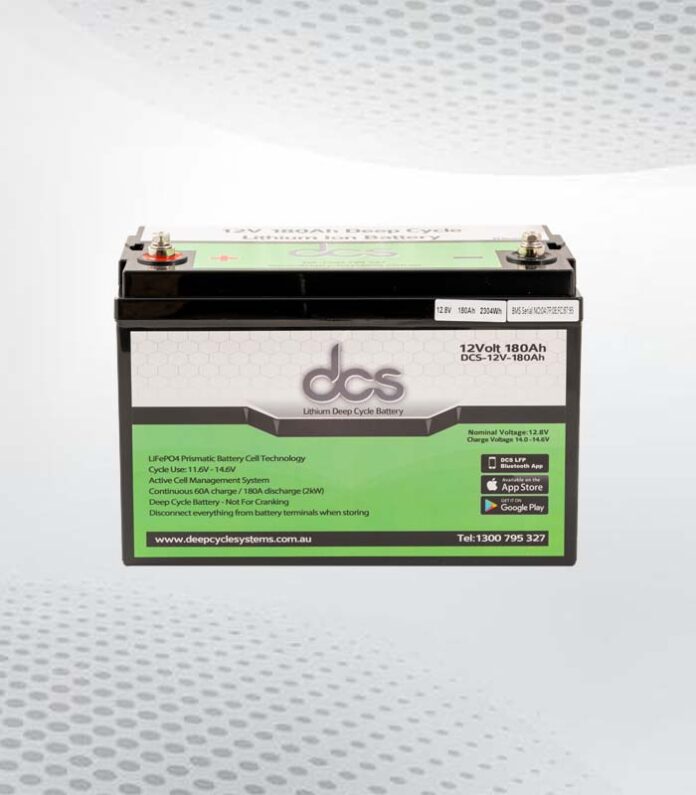

With the technological advancements today, there’s an increasing trend of replacing traditional lead-acid batteries with lithium starter battery, owing to their compactness, lightweight, longer lifespan, and high cranking power. The transition, however, comes with its share of challenges, with installation being chief among them. This guide will take you through the process, ensuring you maximize your lithium starting battery’s power output.
Understanding lithium starting battery
Lithium starting battery often called cranking batteries, play a vital role in getting your vehicle’s engine up and running. These batteries operate based on lithium iron phosphate (LiFePO4) chemistry, known for its safety and efficiency attributes.
Even though the initial investment for these batteries may seem substantial, their longevity and superior performance provide a better return on investment over time. They are designed specifically to supply high-energy pulses for a short duration, adequate to initiate your vehicle’s engine. As a user, you will appreciate their compactness and lightweight nature, which doesn’t compromise their power delivery.
Choosing the Right lithium cranking battery
Selecting an appropriate lithium cranking battery is the first step towards a successful installation. The battery size should fit into your vehicle’s designated space without difficulty. Besides, the battery must meet your vehicle’s cranking amps for optimal operation. The voltage requirements of your vehicle should also be compatible with the battery. Inspect the battery specifications meticulously to see if they coincide with your vehicle’s needs.
Consideration should be given to the battery’s energy efficiency, durability over multiple charging cycles, and resilience in diverse weather conditions. Always remember that selecting the right battery is vital to ensuring its longevity and peak performance.
The Importance of a Proper Installation
A correct installation of your lithium starter battery is the foundation for its optimal performance and extended lifespan. In contrast, incorrect installation can result in inefficiency in energy utilization, accelerated battery wear, or even potential harm to your vehicle. It’s vital to carefully follow the guidelines laid out by the battery’s manufacturer.
This can involve specifics about cable connection, battery securing, or specific tools that should be used during the installation. Incorrect handling of cables or terminals can result in electrical short circuits or even sparks, which can be dangerous.
Remember, installation is not just about placing the battery in its compartment but securing it to ensure optimal energy transmission to your vehicle. Therefore, dedicating time and effort to a proper installation is an investment in your vehicle’s efficiency and the battery’s lifespan.
Steps to Installing a lifepo4 starting battery
Begin the installation process by detaching the connections from your existing lifepo4 starting battery Start with the positive (red) cable followed by the negative (black) one. Once the old battery is disconnected, it is time to install the new lithium starter battery. Attach the positive cable to the battery’s positive terminal. Repeat this process with the negative cable and the negative terminal. Make sure the connections are secure to prevent any power disruptions.
Once the battery is installed, start the engine to ascertain that the battery is functioning properly. During this process, ensure you have the necessary safety gear to protect yourself from hazards.
Additionally, refrain from directly touching the terminals to prevent any risk of electrical shock. Once the engine starts successfully, monitor the battery’s performance for the first few trips to ensure it maintains a consistent power output. Regular checks can help spot potential issues early and maintain the battery’s longevity.
Ensuring the Longevity of Your lifepo4 cranking battery
Several measures should be taken to prolong the life of your lifepo4 cranking battery. One key step is maintaining a consistent charging cycle, ensuring the battery isn’t overcharged or completely discharged. Both overcharging and deep discharging can adversely affect the battery’s life span.
Further, the battery should be kept from extreme temperature conditions, which can lead to severe damage. Regularly cleaning the battery terminals can also contribute to the battery’s longevity. Corrosion on the terminals can cause power delivery issues and diminish the battery’s performance.
With these practices in place, you can maximize your lithium starter battery’s efficiency and life span. Remember, taking care of your battery means your vehicle’s health and performance. Thus, proactive battery management is vital to enhancing your driving experience.
Seeking Professional Assistance
While installing a lithium starter battery may seem simple on paper, it’s not uncommon to encounter complications or uncertainties. There is no harm in reaching out for professional help in these scenarios. Battery experts or trained automotive technicians can help ensure the installation is executed correctly and safely. They possess the knowledge and expertise to handle unforeseen complications and can guide you on the correct safety measures.
This can be instrumental in safeguarding the health of your new battery, ultimately ensuring you get the maximum power output. Refrain from letting uncertainty or a lack of experience deter you from leveraging professional assistance when installing your lithium starter battery.
After all, it’s about harnessing the full potential of your lithium battery and ensuring it delivers peak performance for an extended period. Engaging with experts bolsters safety during the installation process and contributes to a longer battery lifespan.
 Proper Lithium Battery Maintenance
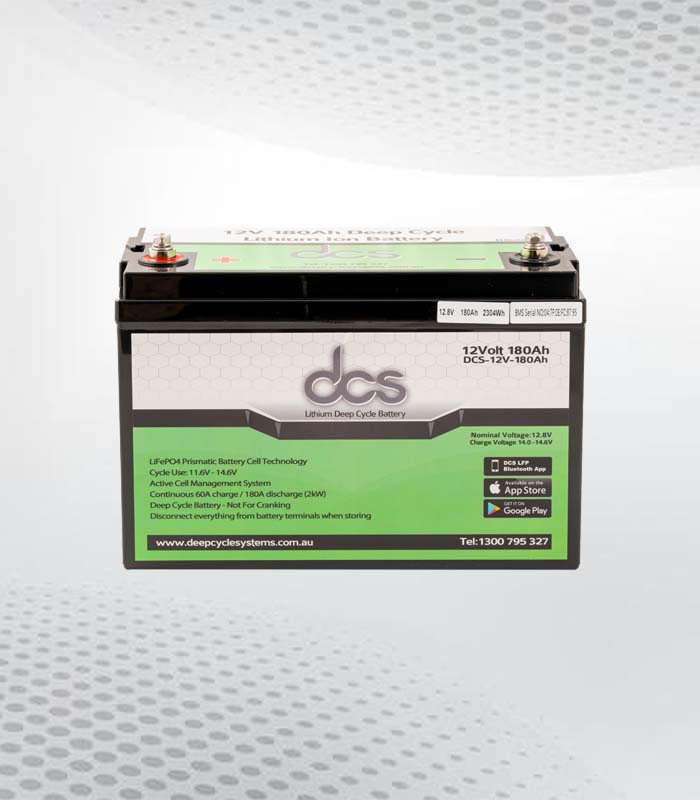
Maintenance practices are critical in extending the lifespan of your lithium starter battery and enhancing its performance. Regularly inspect the battery for signs of wear or damage, ensuring it is always clean and dry. When your battery is not being utilized, it should be stored in a cool and dry location. This can prevent unwanted chemical reactions that might impact battery performance or lifespan.
It’s also crucial to follow a consistent charging routine to prevent capacity loss over time, even when the battery isn’t in use. Adhering to these simple maintenance practices can help your lithium starter battery deliver reliable power when needed.
Additionally, regular balancing of cells within the battery can ensure each cell functions at its best, resulting in a stronger overall battery performance. In turn, this will aid in achieving a consistent and maximized power output.
Understanding and managing the discharge rates is also crucial, as deep discharging may severely impact the battery’s health. Therefore, installing a low-voltage disconnect (LVD) can be a practical solution to protect your lithium starter battery.
Monitoring Battery Performance and Health
Keeping tabs on your lithium starter battery’s performance and health parameters is essential for efficient operation. Regular checks on your battery’s voltage, temperature, and state of charge can help you identify potential problems early on, preventing them from escalating and causing severe damage.
Investing in a robust battery management system (BMS) allows you to gain real-time insights into your battery’s performance, enabling you to make timely interventions when necessary. A quality BMS will allow you to accurately monitor voltage levels, temperature fluctuations, and the charge status of your battery.
By consistently tracking these indicators, you can optimize your battery’s health, enhancing its overall performance and lifespan. Regular monitoring can also help you better understand your battery’s usage patterns, which can be valuable in planning timely maintenance and preventing unforeseen breakdowns.
Testing Your Lithium Starter Battery
Regular testing of your lithium starter battery is essential to evaluate its overall condition and operational efficiency. Using tools like a mustimeter can give you an accurate reading of your battery’s voltage. At the same time, a load tester can help determine its ability to sustain a charge under load conditions.
These tests provide insights into your battery’s health and ability to deliver power effectively. Always follow the manufacturer’s instructions while conducting these tests to ensure accurate results and prevent any damage to the battery. Remember, these tests are not a one-time process but should be performed periodically to keep your battery in peak condition.
Consistent testing can also help identify potential issues early, enabling you to take necessary measures to maintain your battery’s health. For instance, if your battery consistently underperforms during load tests, it might indicate a failing cell that requires immediate attention. Likewise, a sudden voltage drop can signify a potential electrical problem hindering your battery’s performance.
Avoiding Common Lithium Starter Battery Mistakes
Several common missteps with lithium starter batteries, like improper installation, overcharging, and lack of maintenance, can lead to unnecessary issues. Staying true to the guidelines provided by the battery manufacturer is essential. This includes using the right chargers and equipment specially designed for lithium batteries. Extreme exposure can cause damage, so storing and using your battery under favorable conditions is crucial.
Regular maintenance is non-negotiable; remember, a well-maintained battery ensures efficient operation and an extended lifespan. You can boost your battery’s performance and longevity by steering clear of these common mistakes.
Moreover, knowing how to properly calibrate your lithium starting battery and monitor its power output can significantly affect its performance. Please don’t underestimate the benefits of keeping your battery in peak condition; it can lead to better performance, improved efficiency, and potentially significant savings. To achieve this, consider implementing regular check-ups and setting reminders for routine maintenance. This could involve checking the voltage, cleanliness, and secure connection, contributing significantly to the battery’s optimum power output.
FAQs
Q: Can I replace my old lead-acid battery with a lithium starter battery?
A: Yes, many vehicle owners opt for this due to the lithium battery’s compact size, lightweight nature, and extended lifespan.
Q: What must I consider when choosing a lithium starter battery?
A: Compatibility with your vehicle’s voltage requirements, the battery size, cranking amps needed for optimal operation, energy efficiency, and durability in different weather conditions are important factors.
Q: How do I install my lithium starter battery?
A: Always start by disconnecting the old battery and then attach the new battery by connecting the positive terminal first, followed by the negative one. Ensure that connections are secure and the battery is functioning properly by starting the engine.
Q: What maintenance practices can extend the lifespan of my lithium starter battery?
A: Consistent charging cycle, regular cleaning of battery terminals, and avoidance of extreme temperature conditions are key.
Conclusion
A lithium starter battery can significantly improve your vehicle’s performance thanks to its compact size, lightweight nature, and high-cranking power. Understanding your vehicle’s requirements and choosing the appropriate battery is the first step towards optimizing its use. Remember, proper installation and regular maintenance are key to prolonging the battery’s lifespan and ensuring efficient operation. Avoiding common mistakes like overcharging and neglecting maintenance can prevent potential issues and extend your battery’s performance.
This Article Was First On Published
| Other Good Articles to Read |
| Skank Blogs |
| Unreal Blogs |
| Tba Blogs |
| All City Forums |
| Dany Blogs |
| Refuge Blogs |
| The Music Blogs |
| Key Forums |
| The Big Blog Theory |
| Joe Blogs |
| Blogs 4 Me |
| Blogs Emon |